#The Triangle of Tension - Navigating Wants, Needs, and Feasibility in Product Engineering
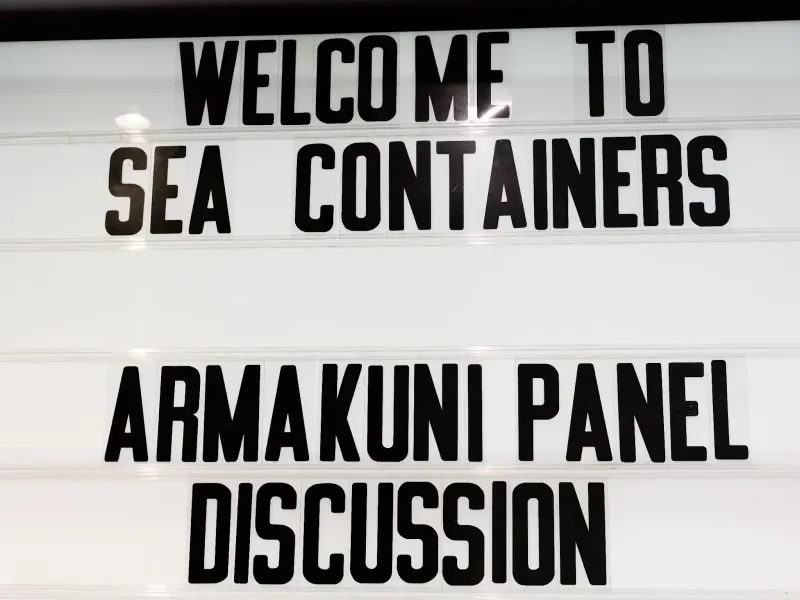
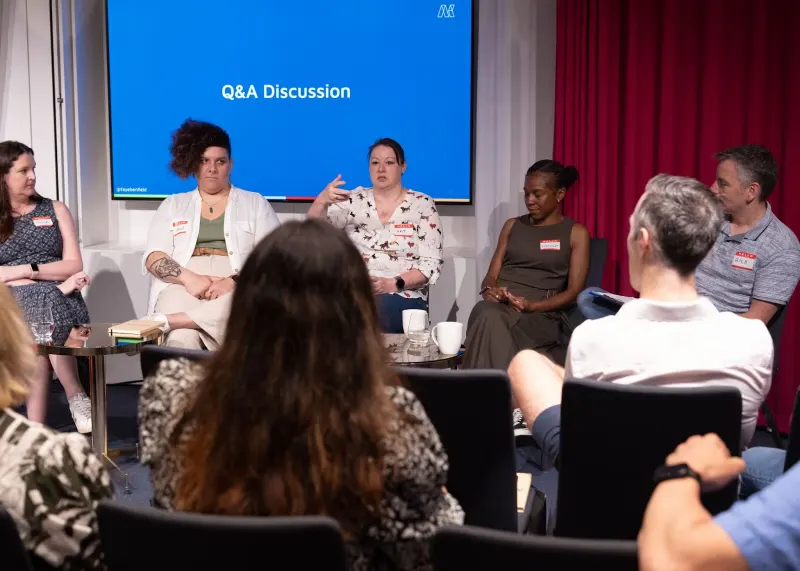
It's a sunny June morning in London, and the iconic Sea Containers building is buzzing with energy as leaders in product and engineering gather for a conversation that promises to expose, challenge and reshape how teams and leaders collaborate to unblock routes to delivery. Co-hosted by Armakuni and Team Topologies, "The Triangle of Tension" explores an enduring challenge in product engineering: navigating stakeholder's wants, needs of the team and users, and what's actually feasible, given constraints like budget, time, skills, and dependencies.
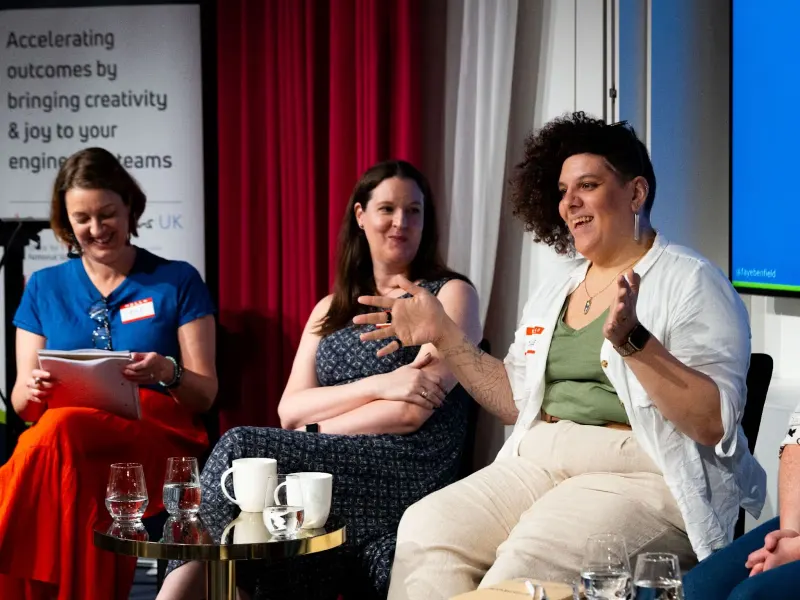
The panel, an inspiring all-women lineup, was facilitated by Faye Benfield, a distinguished product leader, coach, and facilitator from Armakuni, along with Rich Allen, a celebrated practitioner and facilitator from Team Topologies. Together, they guided an honest and thought-provoking discussion, equipping attendees with actionable insights to bring transformative change to their own organisations.
#Building trust: "Shift left on collaboration"
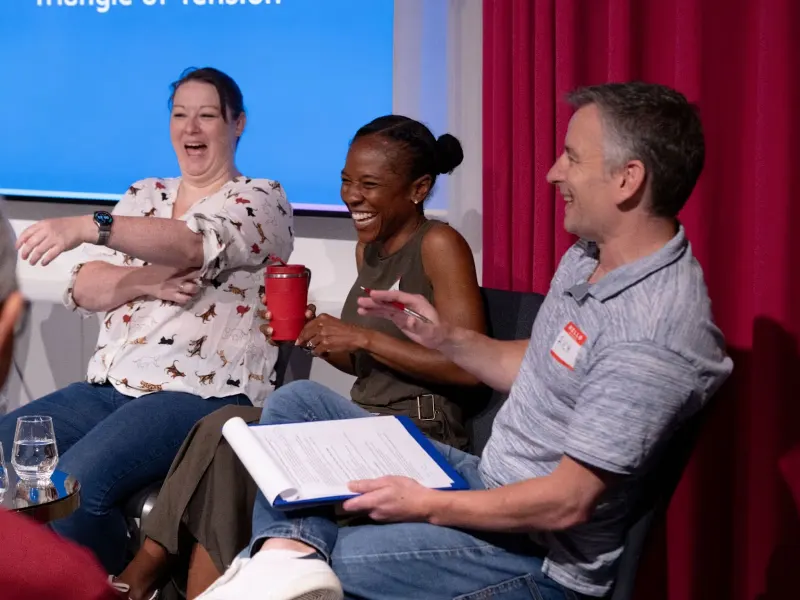
Trust emerged as the golden thread running through every part of the discussion. One panellist emphasised, "Influence is built through trust," while another candidly remarked, "Trust is about giving a f*ck about people," sparking knowing laughter and nods from the audience. This wasn't just a conversation about frameworks or processes - it was a call to action, emphasising sincerity and empathy as the essential building blocks of navigating tension effectively, making way for lasting alignment and shared purpose.
The panellists highlighted that trust cannot be built overnight or through grand gestures. Instead, it needs to be about consistency and finding a shared language. For many, this is where Team Topologies comes in, offering a framework for team types and interaction modes that create clarity and in turn builds effective working relationships. As one attendee reflected, "Trust isn't a destination; it's the journey."
#Purposeful collaboration: Beyond the big catch-up
Collaboration was another cornerstone of the conversation, and crucially not in the superficial sense, "Collaboration is not just a big catch-up," one panellist explained. Instead, it's an intentional act tied to specific objectives and shared incentives.
Yet, the reality of misaligned incentives emerged frequently in the discussion. When incentives focus narrowly on individual achievements, authentic collaboration suffers - a lesson explored in our first event of the series, summarised in this article "What It Really Means to Be Product-Led: Reflections from Our Exclusive Roundtable".
The panel shared practical advice for leaders: align incentives with shared outcomes that matter across the board. Teams flourish when collaboration feels purposeful rather than performative. It's also important that we "Pair the shiny with the plumbing", meaning unite and celebrate both the novel, high-visibility work and the behind-the-scenes support tasks. As one panellist put it, we must "visibly reward the grungy stuff", with another conveying the importance of compassion, which includes the CEO spending a day at the support desk, building empathy, awareness and context of people across the business.
Truly recognising everyone's contribution creates a culture where everyone feels valued and motivated to collaborate across all functions and stages of the product lifecycle.
#Breaking down silos: Tea, empathy, and cross-functional rotation
Silos were likened by one panellist to "echo chambers," as a vivid metaphor for the barriers that inhibit innovation. "Team Topologies isn't about silos," Faye reminded the audience, emphasising the role of informal, candid conversations in bridging divides. Another panellist's advice was to "Take people out for tea!"
The solution isn't a one-size-fits-all fix but a mindset shift, as "Team behaviour is more important than team structure." Empathy, cross-functional rotation, and creating opportunities for informal exchanges; all of these contribute to breaking down barriers. As one attendee noted, "It's not about tearing down walls but building bridges over them." A clear sentiment that trust and effective working stem not from rigid organisational charts but from how people interact daily.
#The art of communication: Bridging two worlds
Perhaps the most animated part of the discussion revolved around the art of communication. How do product and engineering teams truly understand each other?
"Speak each other's language," one panellist urged. Product leaders need to support engineers in articulating value in business terms while fostering a deeper understanding of technical constraints within product teams. This dual responsibility falls on both sides - bridging the gap requires effort, curiosity, and humility.
#Lasting impressions
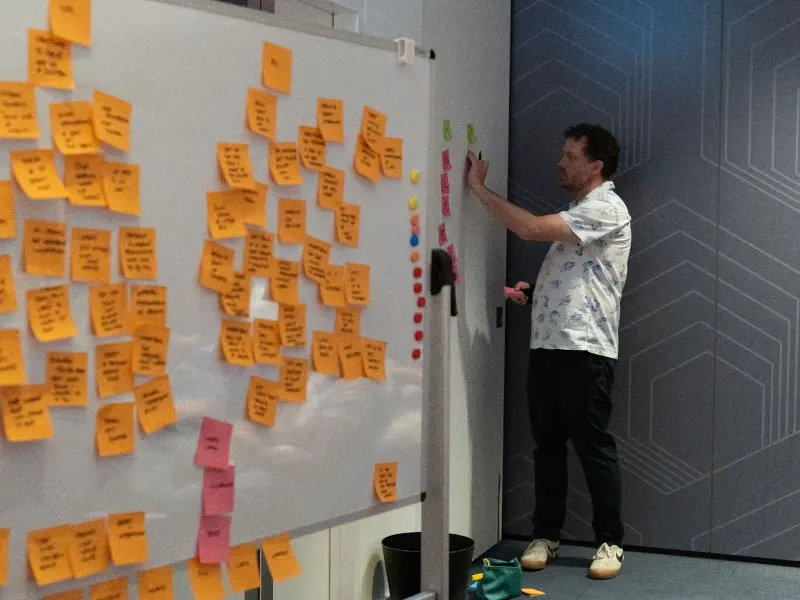
The session offered more than just practical takeaways; it challenged conventional thinking. A standout introduction was the concept of The Wall Of Insights, supported by Horizon Mapping. The Wall of Insights maps information back from the North Star, with incremental goals expressed across near, mid, and long-term horizons, keeping teams focused, informed and able to remain flexible as new insight emerges.
Equally powerful was the reminder to "celebrate the failures." One panellist shared how openly acknowledging mistakes in her team, rather than hiding or punishing them, was a large part of what helped them create a culture of psychological safety. Teams began to share what went wrong as readily as what went right, sparking richer problem-solving conversations and deeper trust.
#The human connection
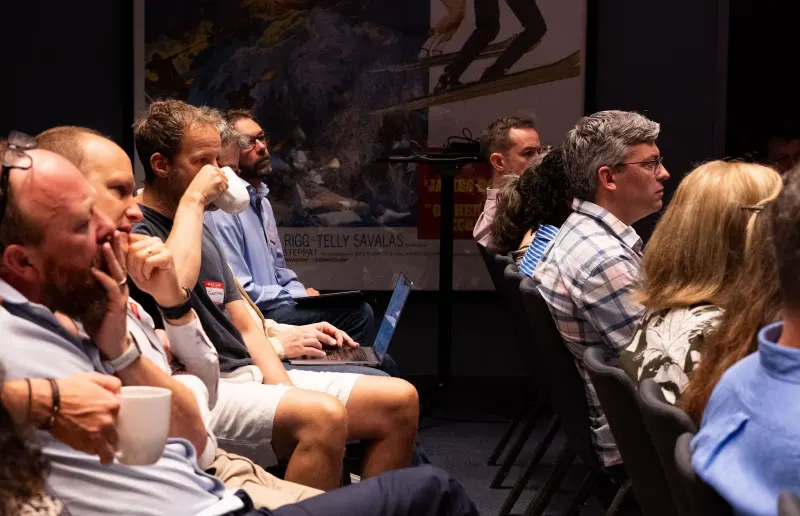
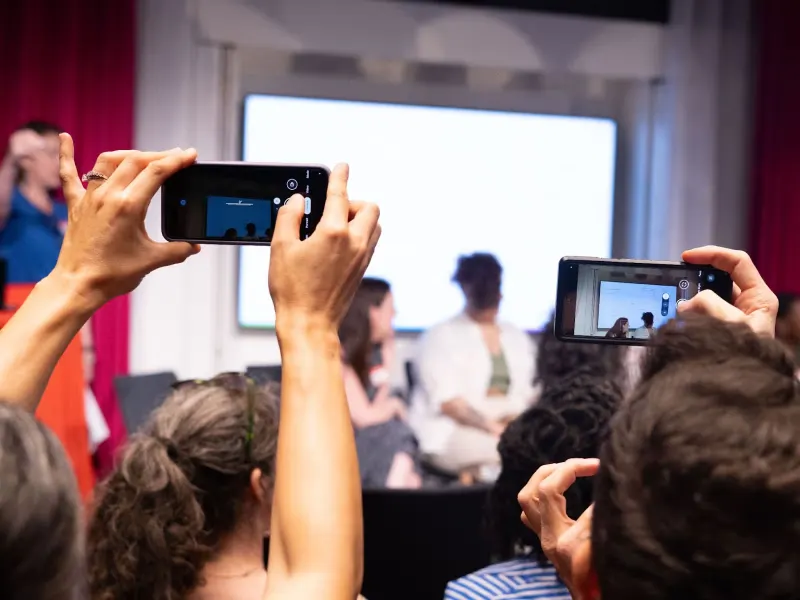
The energy in the room was high, as participants nodded in agreement, snapped their fingers in approval, and scribbled notes furiously. One of the most charged moments came when an attendee exclaimed, "This is exactly what my team struggles with!" during a discussion on legacy thinking in traditional organisations.
It underscored a critical insight: business decisions often suffer from a warped operational perspective. To bridge the gap between strategy and execution, teams need practical conversations about how value will be realised, conversations that explicitly factor in culture, change management, and the people involved.
The sense of alignment among the participants was strong. Leaders from different industries found common ground in their challenges and aspirations, creating an atmosphere of shared experience and empathy. At its heart, navigating the triangle of tension is about human skills. The skills that enable us to effectively connect with one another, ask meaningful questions, express compassion for the other's perspective, unpack complexity, overcome hurdles without causing harm, and achieve better outcomes together. This is what good leadership looks like and how best to empower our teams.
#Looking ahead: Continuing the journey
This event isn't a one-off discussion - it is a catalyst, sparking further questions and transforming a room full of individuals into a community united by shared challenges and distinct yet remarkably familiar journeys. Attendees left inspired, armed with new ideas to experiment with and fresh perspectives to bring back to their teams, underlined by deeper empathy and awareness. Hande Örmen took to LinkedIn to share her valuable key takeaways, along with Olaf Hoffman who shared his insights and some core messages he will take back to his team. Themes such as building trust, meaningful engagement and shared languages emerged as key areas ready for deeper exploration in future sessions.
As Armakuni and Team Topologies continue their partnership, this event represents another step in our shared journey to support organisations to reshape their design and evolve teams for adaptability and sustained innovation and flow. Together, we're helping organisations build stronger, more connected teams that thrive in complexity.
Because effective team dynamics isn't just an optional extra; it's the foundation for innovation and growth. Let's build it together.
If you'd like to speak to us about your journey or discover how we can help, email hello@armakuni.com.