EL
The Armakuni team demonstrated an impressive ability to earn customer trust and deliver against lofty expectations with the C-Suite. Ruben and team maintained consistent communication and delivery.
Most Bedrock migration pitches arrive as a per-token price chart. The real decision is five-part: workload shape, cost curve, compliance scope, model fit, deployment architecture. Cost is rarely the one that decides it. Two hours on your actual workload. You leave with the evidence to decide, including where the answer is do not migrate yet.
A price table tells you whether the bill works. An assessment tells you whether the migration works.
Most migration pitches lead with per-token pricing. Per-token pricing only matches your bill at very high steady volume. At anything below that, context length, concurrency, and tool-use fanout drive cost more than the per-token rate. And cost is rarely the only axis: in the teams we have assessed, compliance scope or model fit is usually the real driver. The assessment is what covers all three on one page.
Each dimension depends on the one before it. The visual on the left tracks the dimension you're on.
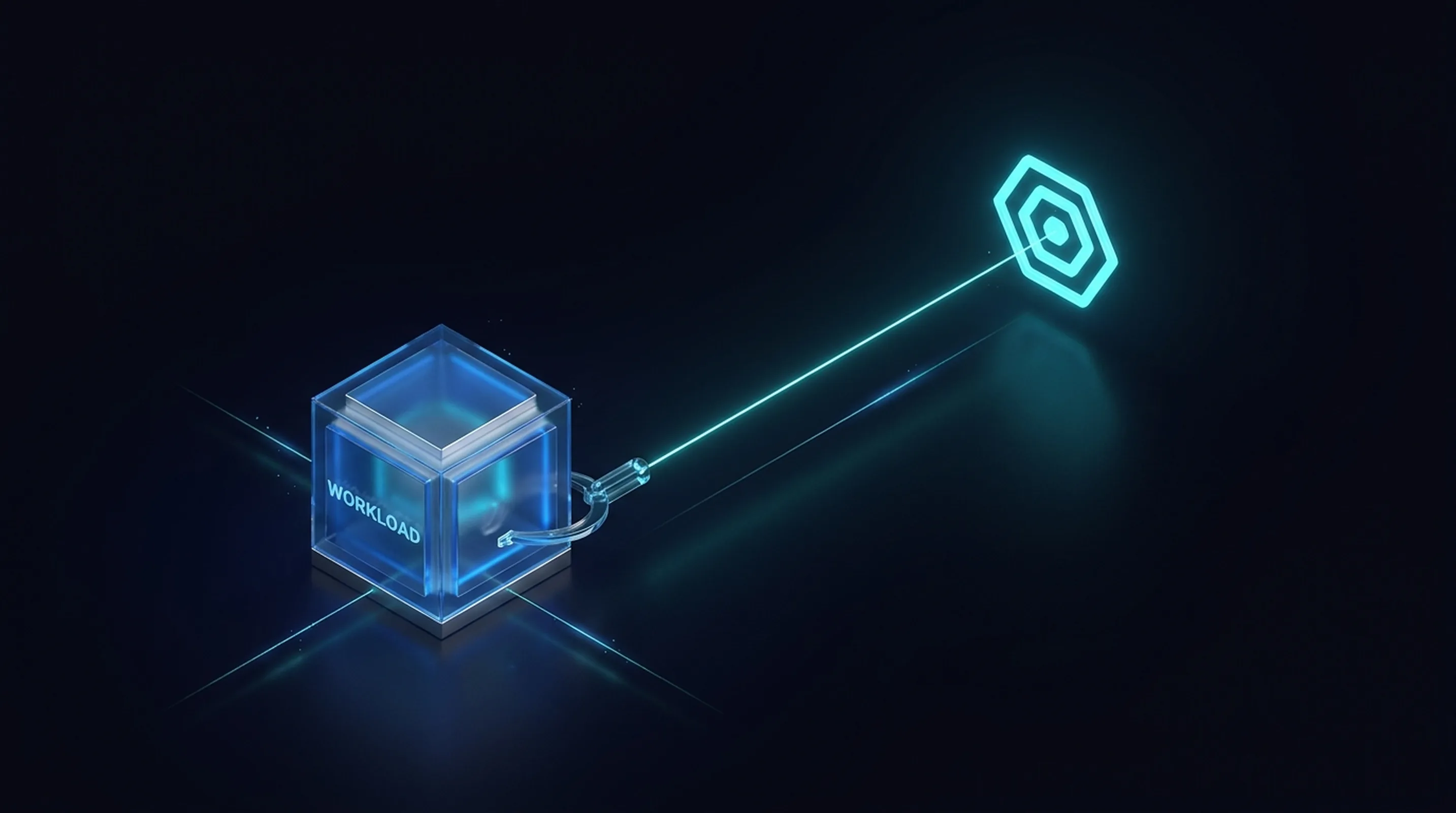

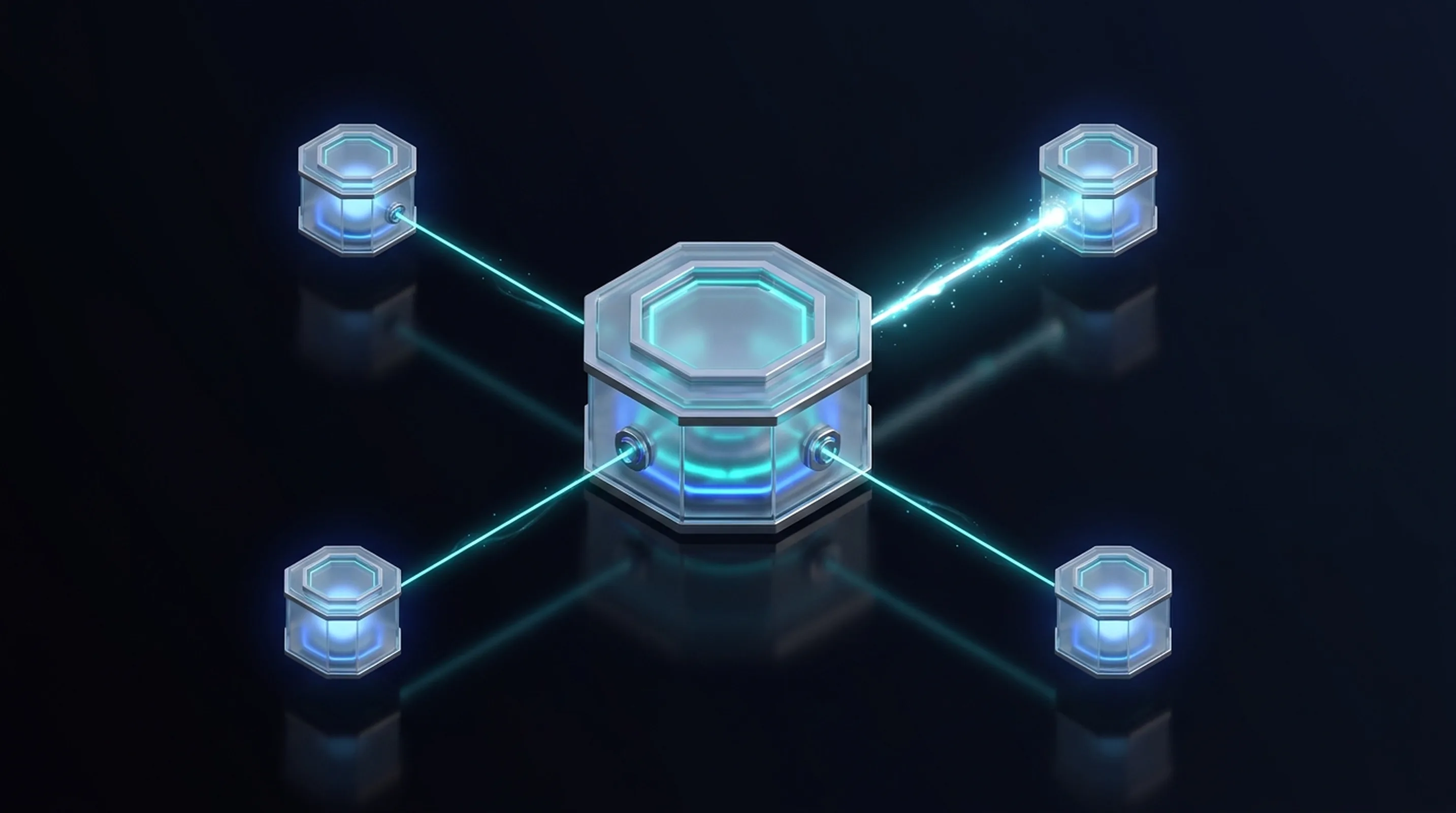


Call volume per prompt class, context-length distribution, tool-call fanout, model mix. Measured from your OpenAI usage export and your APM traces, not a generic template.
Your current OpenAI spend, Bedrock on-demand per-token, and Bedrock Provisioned Throughput committed capacity modelled over twelve months at your realistic volume and concurrency. Crossover points marked. List price is not in this picture.
SOC2, GDPR, EU AI Act deployer obligations with Aug 2026 enforcement, DORA if BFSI, sector residency rules, model-provenance reporting, audit-trail obligations. Your current OpenAI routing mapped against each, then the Bedrock equivalent.
Per prompt class, a head-to-head. Claude on Bedrock for reasoning and long context, Amazon Nova for balanced workloads, Titan and Llama on Bedrock where price dominates. Tested on your prompts with Bedrock Evaluations, not a benchmark we chose.
The minimum viable production architecture for your workload. VPC endpoints, Provisioned Throughput sizing, CloudTrail audit, Gen AI Observability. The fallback path for a model or region outage. What stays portable, and what is safe to lock in.

A written assessment, usually 12-18 pages. The verdict is explicit. Where migration is the wrong answer, that is the answer.
Tied to your actual API call distribution, not a theoretical template.
Verdict per prompt class, not one blanket recommendation
Workloads safe to move first, workloads to hold
Risks called out where migration is the wrong call
Twelve-month sequence, not a theoretical roadmap

A spreadsheet you can re-run with updated inputs. Compliance cost deltas included. Crossover points, sensitivity to growth and concurrency, all modelled.
Yours to keep, whether you proceed with us or not.
Per-model and per-prompt-class cost breakdown
Provisioned Throughput commitment sizing for your curve
Crossover point between on-demand and provisioned
Compliance and audit-trail costs included, not buried

A gap list followed by an architecture diagram. Named AWS services. Named policies. Not legal advice, and your counsel still signs off.
Compliance is the architecture, not the footnote.
Data residency boundary drawn for your workload
EU AI Act deployer obligations mapped to evidence
GDPR, DORA, and sector rule gaps named explicitly
Remediation architecture with Guardrails, CloudTrail, KMS, VPC endpoints
The solution architect running your assessment is the same one who would lead your migration. We have shipped regulated workloads on AWS for Santander, HSBC, and NHS Wales for years. The architect you meet in the workshop has migrated production GenAI workloads onto Bedrock already.
Pick a slot that works for your team. We sign an NDA, you share your OpenAI usage export and compliance scope ahead of time, and we come in with a starter cost model already built. The assessment, the TCO model, and the compliance gap analysis are yours to keep whether you proceed with us or not.
NO COMMITMENT . NO SALES FOLLOW-UP UNLESS YOU ASK . THE DECISION IS YOURS
A leading premium wildlife stock footage platform built agentic AI inside their content pipeline with the orchestration layer in their AWS account.
Read use case →
Pixis migrated their AI marketing platform to AWS with no scheduled outage windows. 50% faster feature delivery, 40% lower latency.
Read use case →A regional agricultural cooperative in the U.S. Midwest deployed production AI with the controls documented and the platform running in their account.
Read use case →Award-winning LMS provider for enterprises and mid-size organizations modernized a regulated edtech platform with delivery the C-Suite could brief the board on.
Read use case →GORUCK unified 9 disconnected platforms into a single customer view. 40% higher campaign ROI, 2× loyalty growth.
Read use case →SMS campaign automation platform for e-commerce and restaurant brands shipped agentic AI on the data layer with the orchestration layer running inside their AWS account.
Read use case →AWS Premier Tier Services Partner




Active Competencies and Service Delivery Programs relevant to this offering.