Picture a room filled with some of the brightest product leaders from across a diverse range of sectors in the UK, gathered not to boast or impress but to open up, share challenges, and rethink what it means to be genuinely product-led. That was the essence of our recent roundtable event hosted by Armakuni and Team Topologies.
We set out to explore three themes - Product Leadership, Strategic Alignment, and Measuring Value - but what emerged was even richer than we had envisaged. It wasn't just about metrics or frameworks. It was about people: their resistance to change, their need for purpose, and the profound human challenges of leading organisations through transformation.
The below is a reflection on the story that unfolded, the questions that lingered, and the moments of resonance that stayed with us.
#The power - and fragility - of strategic alignment
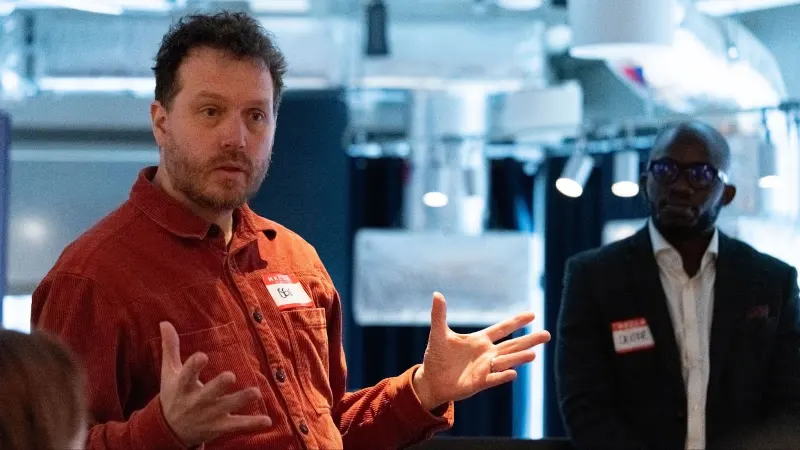
One of the most striking moments came early on when a participant made this observation:
"People aren't resistant to change; they're resistant to change thrust upon them."
It was a sentiment that resonated deeply throughout the room. Strategic alignment is often framed as a structural challenge - setting OKRs, streamlining processes, or finding the right metrics. But as the conversation unfolded, it became clear that alignment isn't just about strategy. It's about humans.
We heard stories of organisations that felt like they were "hitting brick walls," not because the people lacked capability but because their structures and communication lacked trust and clarity. Leaders spoke about the phenomenon of "learned helplessness" within teams - where years of operating in silos or being sidelined in decision-making had left them disengaged and disempowered.
The question then became: how do you take people on the journey of change when their first instinct is to resist?
One answer emerged: purpose.
Leaders who found success weren't those who imposed alignment but those who invested in making purpose clear at every level of the organisation. One participant captured it perfectly:
"It's not about the shiny new tech thing. It's about making things better for people."
It became clear that alignment isn't about top-down mandates. It's about crafting a shared story - a compelling "why" that resonates with both teams and users. However, doing this requires something many organisations overlook: psychological safety.
#Leadership as a platform, not a position
Leadership was another theme that sparked both consensus and debate. The traditional view of leadership - hierarchical, directive, and often distant - came under scrutiny. In its place, many participants advocated for a more collaborative, enabling approach.
One concept that caught the room's attention was leadership as a platform. Rather than positioning leaders as decision-makers at the top of a pyramid, this model sees them as enablers, clearing roadblocks and reducing the cognitive load on teams so they can focus on delivering value.
As one participant put it, "Leadership is a team sport." This idea of collaborative leadership extended to the notion of duo leadership, where a product lead and tech lead co-own responsibility for a division, judged not on individual outcomes but on shared goals.
But, implementing these approaches is easier said than done. Several leaders acknowledged the tension between the ideal of shared leadership and the reality of ingrained hierarchies. How do you incentivise collaboration when traditional structures reward individual achievement? How do you shift mindsets from "I lead this team, you lead that team" to "this is what we need to achieve"?
It's not an easy path, but the takeaway was clear: the most effective leaders are those who invest in building trust, not just within their teams but among their peers at the leadership level.
#Measuring what matters
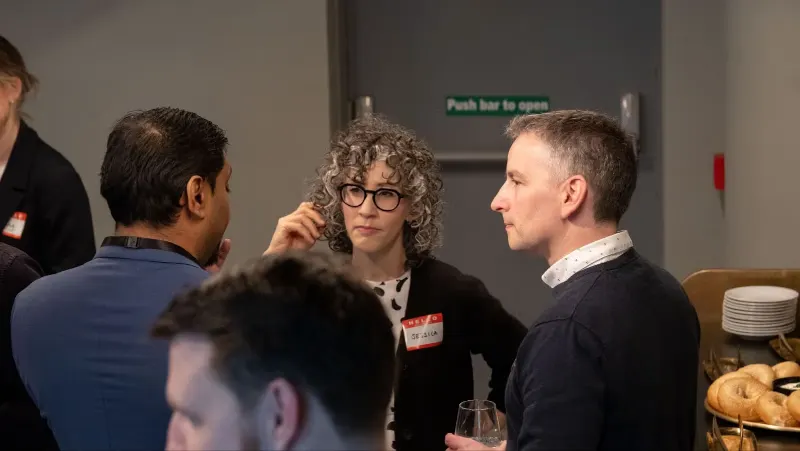
If strategic alignment is about the "why," then measuring value is about the "how." And it's here that the conversation grew particularly lively.
One of the most memorable quotes came from a participant who shared:
"We measure lots of stuff, but we don't know why or what for."
This sentiment struck a chord. Many organisations are drowning in data, yet few clearly understand which metrics genuinely matter. The group identified three key pillars for meaningful measurement:
- Time: Are we spending it wisely? Are our processes efficient?
- Money: Are we delivering measurable business impact?
- Health: Is our system - and our organisation - built to last?
But measuring value isn't just a technical challenge. It's a cultural one. Leaders spoke about the tension between innovation and keeping the lights on, about the tendency to focus on deployment speed over end-user impact, and about the need to shift the conversation from vanity metrics to meaningful ones.
A striking metaphor emerged: "How many planes are in flight? Can we land them safely? And are we maintaining the runway for future takeoffs?"
It's a reminder that value isn't just about what's happening now, it's about building the capacity to deliver value sustainably in the future.
#The human side of change
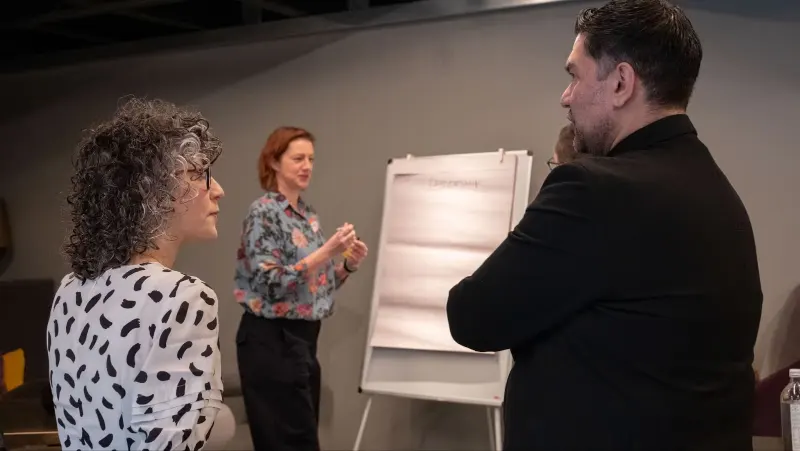
As the event drew to a close, a strong sentiment emerged: becoming product-led isn't just a matter of implementing frameworks or adopting new ways of working. It's about building trust, fostering alignment, and creating an environment where teams feel empowered to thrive.
One participant summed it up beautifully:
"Driving change is iterative. It's about making things better for people, and that takes time."
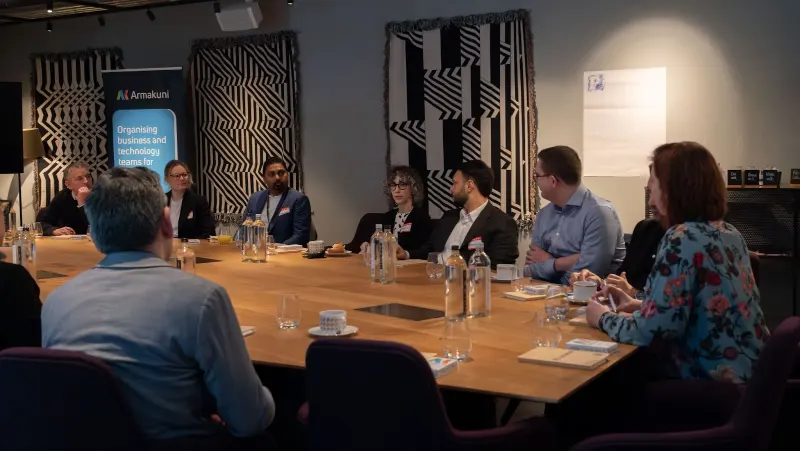
The roundtable was a testament to the power of open, honest conversation. People came ready to challenge assumptions, share experiences, and learn from one another. And while there were no easy answers, there was a shared sense of purpose - a recognition that the journey to being product-led is as much about mindset as it is about mechanics.
#Looking ahead
The stories and insights shared at this roundtable have left us inspired and energised. We're already thinking about how to continue the conversation - whether through follow-up sessions, deeper dives into specific challenges, or creating a community of leaders who can learn and grow together.
To everyone who joined us, thank you for your candour, curiosity, and thoughtfulness. The challenges we discussed are real, and so is the potential for change.
For those who couldn't attend, stay tuned - we'll be sharing more takeaways and resources in the coming weeks.
Because, at the end of the day, becoming product-led isn't just a goal. It's a journey. And it's one worth taking.
If you'd like to speak to us about your journey, and how we can help, email hello@armakuni.com.