EL
The Armakuni team demonstrated an impressive ability to earn customer trust and deliver against lofty expectations with the C-Suite. Ruben and team maintained consistent communication and delivery.
AI is rewriting how product gets built. Strata's 2026 survey: 80% of production agents broke their permission scope at least once, and most of those teams thought their guardrails held. Two hours on your codebase. Your team leaves with the first sprint a pod would actually run, and the five practices that keep AI velocity from turning into outages.
Most AI workshops teach the tools. We teach how product actually gets shipped on top of them.
Twelve years shipping product on the AK Way. The practices have not changed since AI arrived: quality gates, clean architecture, observability, boundary controls, measurement. What changed is the cost of skipping them. In two hours we apply the five practices to your own repo, with AI now generating half the commits.
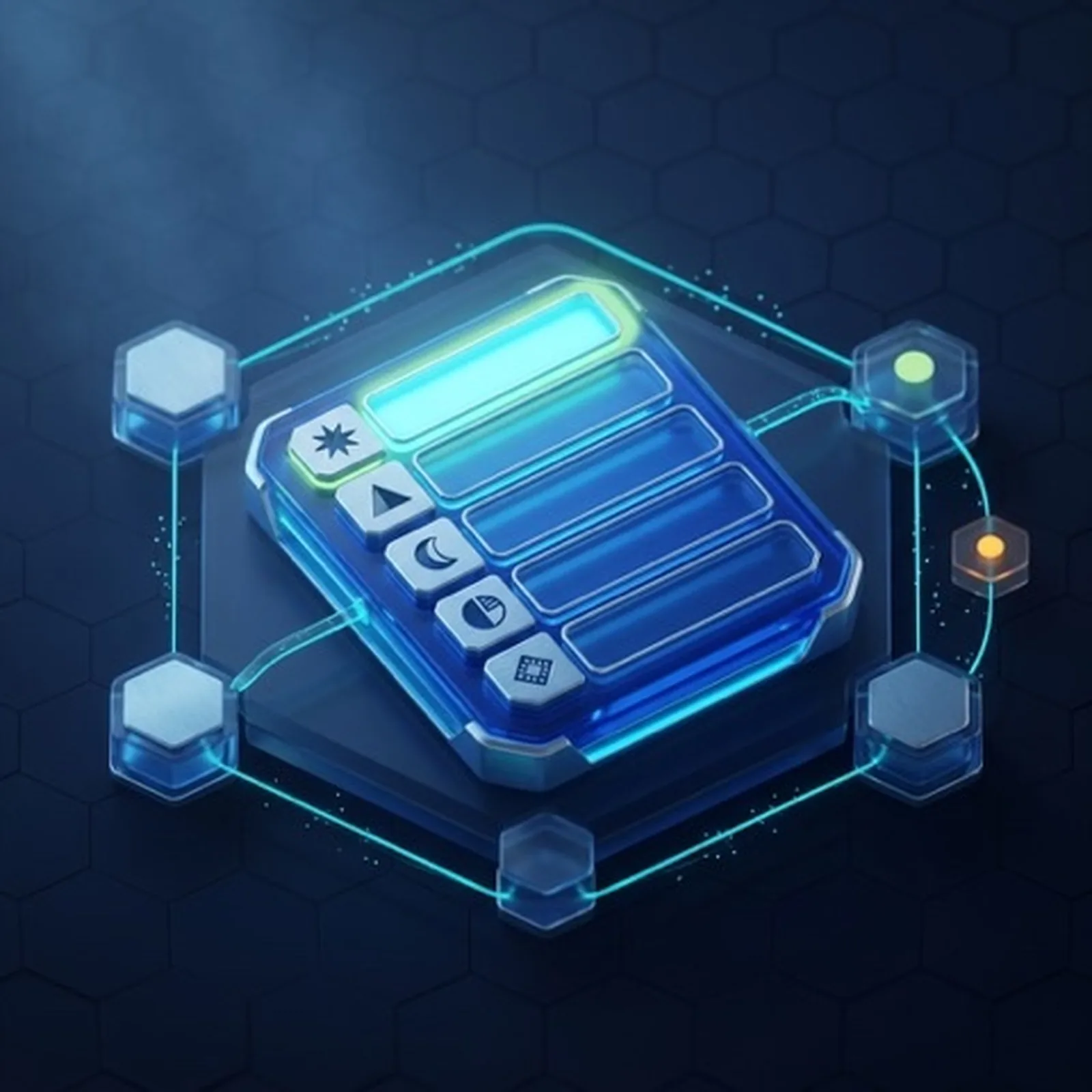
Most production failures come from the same five gaps: tests that did not run, architecture an agent could not read, observability that did not see, agent permissions that were never enforced in code, and metrics nobody was tracking. The visual on the left tracks the practice you are on.
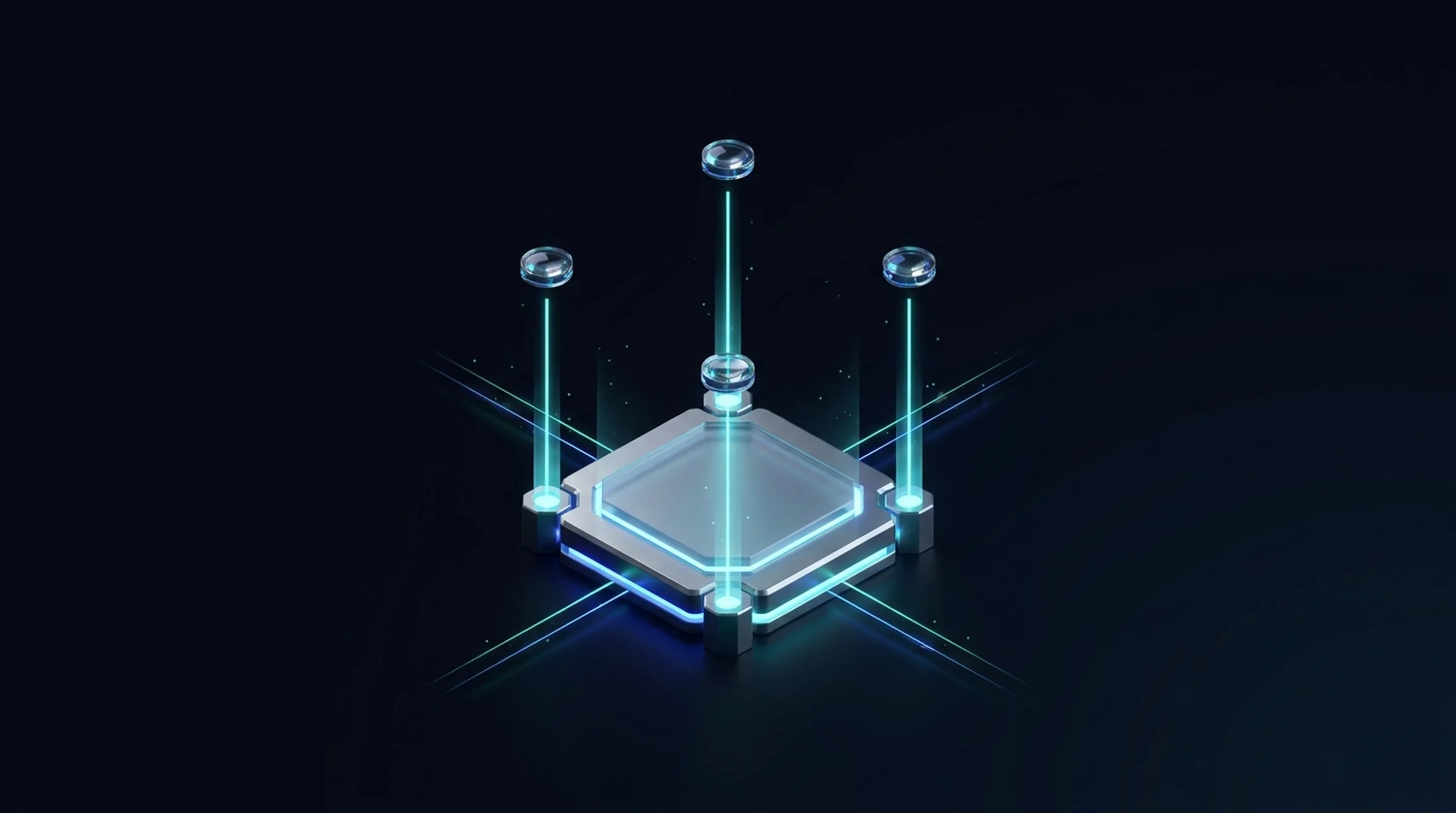

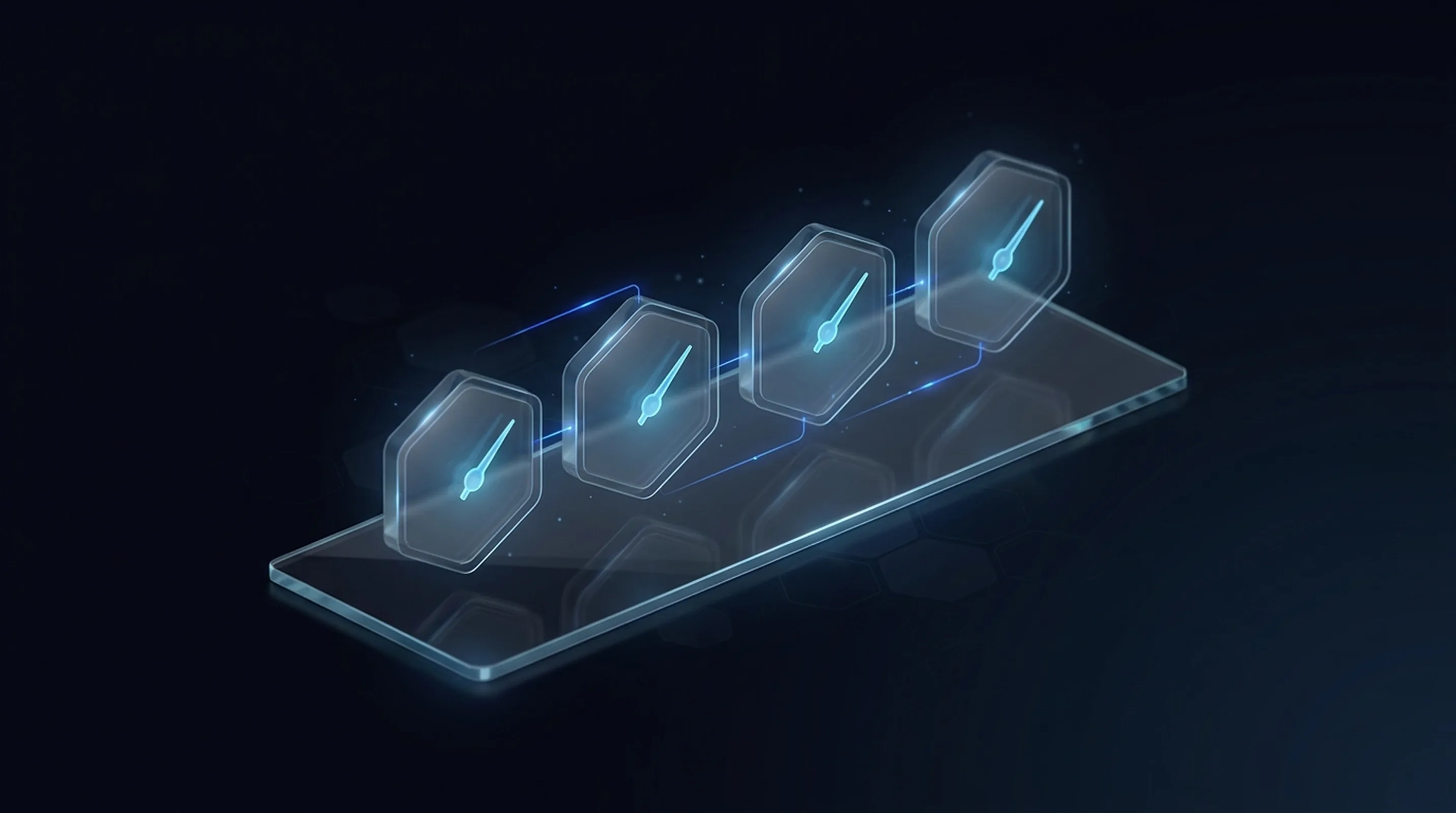
Every agent-written function passes a test contract before it can merge. The 45% of AI code that fails security tests (per Veracode) never gets through the pipeline.
An agent can't tell a scoped utility from a shortcut three services depend on without one. Most of the "surprise dependency" failures we see start here.
Every agent action is instrumented from day one. When something breaks, the trace already exists. It's how you close the gap between what an agent claims and what it actually did.
Strata's 2026 survey: 80% of production agents escaped their permission scope at least once. Almost always because the scope lived in policy docs, not in IAM. We enforce it in code, with Bedrock Guardrails on inputs, IAM scoping on actions, and CloudTrail on every move.
Deploy frequency, lead time, change failure rate, time to recovery. Measured from sprint one. Without it, improvement is indistinguishable from activity.
A PDF and a Miro board, usually 10-15 pages. Every item is tied to a file or service in your code.
Scoped to your actual repo. Not a sanitised template.
Specific files and modules in scope
Effort estimate per item
AK Way practice each change applies to
Risk addressed per fix
A list of tests that should exist, architecture boundaries to draw, and observability gaps to close. Priority-ordered, ready to import into your issue tracker.
Yours to keep, whether you engage us after or not.
Tests missing for AI-generated functions
Architecture boundaries unclear to agents
Observability gaps on agent actions
Priority-ordered by impact, not alphabet

Session recording plus an annotated repo diff showing what changes and why. The method transferred, not described.
Retained even if your team changes.
Full session recording
Annotated repo diff per practice
Live examples on your code, not ours
Retained across team changes
The solution architect running the workshop is the same one who would lead your pod. We've shipped product with Santander, HSBC, and NHS Wales for years, on real codebases, not demo repos.
Pick a slot that works for your team. We confirm the repo and environment ahead of time, you show up with the code you want us to look at, and whatever we find is yours to keep, whether you engage us after or not.
NO COMMITMENT . NO SALES FOLLOW-UP UNLESS YOU ASK . YOU OWN THE OUTPUT
A leading premium wildlife stock footage platform built agentic AI inside their content pipeline with the orchestration layer in their AWS account.
Read use case →
Pixis migrated their AI marketing platform to AWS with no scheduled outage windows. 50% faster feature delivery, 40% lower latency.
Read use case →A regional agricultural cooperative in the U.S. Midwest deployed production AI with the controls documented and the platform running in their account.
Read use case →Award-winning LMS provider for enterprises and mid-size organizations modernized a regulated edtech platform with delivery the C-Suite could brief the board on.
Read use case →GORUCK unified 9 disconnected platforms into a single customer view. 40% higher campaign ROI, 2× loyalty growth.
Read use case →SMS campaign automation platform for e-commerce and restaurant brands shipped agentic AI on the data layer with the orchestration layer running inside their AWS account.
Read use case →AWS Premier Tier Services Partner

Active Competencies and Service Delivery Programs relevant to this offering.