Axiom gives every AI agent in your enterprise one definition of revenue, customer, and churn.

An agent asks for revenue by region. Three systems hold three different definitions. Nobody catches the drift until the board pack is being printed. Axiom runs on Bedrock AgentCore and reads business definitions directly from Amazon DataZone, so the number the agent returns is the one your CFO already defends. Six to eight weeks to production in your AWS account.

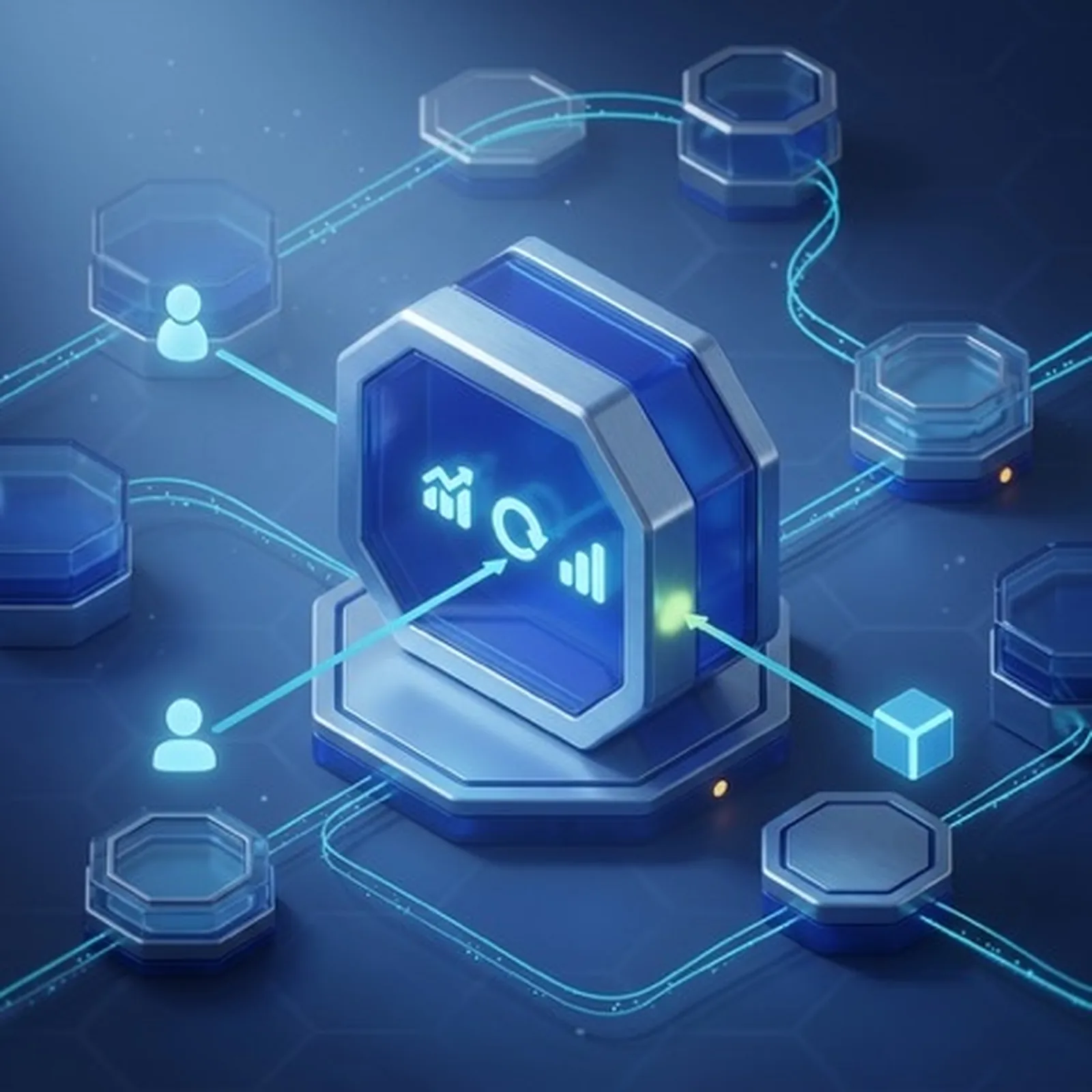
Three engines under one vocabulary. Lakes through S3 Tables and S3 Files. Relational stores by pushdown to Aurora and Redshift. SaaS APIs and knowledge bases registered through DataZone. Every store carries the same definition of 'customer'. Your team owns all of it the day we hand over.


Bedrock AgentCore Amazon DataZone AG-UI Protocol MCP Native 6-8 Weeks
0 From kickoff to an Axiom catalog running in production in your AWS account
0 Data lakes, relational stores, SaaS APIs. One unified vocabulary across every source.
0 No staging, no manual data movement. DuckDB and Polars query in-place via S3 Files and S3 Tables.
Trusted by enterprises, banks, healthcare systems, and the world's biggest brands
Hyundai Glovis logo Pixis logo Ethisphere logo GORUCK logo PublicRelay logo Sweet Analytics logo Hyundai Glovis logo Pixis logo Ethisphere logo GORUCK logo PublicRelay logo Sweet Analytics logo

Three ways your AI agents are returning wrong answers right now, and nobody on the team is catching them.

Your AI agents don't crash. They don't throw errors. They return answers that look right, pass review, and quietly drive wrong decisions for weeks.

Silent wrong answers
The query runs. The number lands in a dashboard. It looks plausible. It's wrong: a column was renamed last quarter and the model picked the closest match. No error, no flag. Just a number off by enough to change a budget decision, buried in a report your CFO is taking to the board.
Join hallucination
The model guesses the relationship between tables. It picks an inner join where it should've been left. 30% of records vanish. The output looks cleaner than reality, and nobody questions clean data.
Ambiguity collapse
Marketing calls them customers. Sales calls them accounts. Finance calls them counterparties. Your agent picks one definition and reports it with total confidence. Revenue shows $10.2M, $10.4M, or $9.8M depending on which system the agent hit first.

These aren't edge cases. They're the default behavior of any AI agent querying fragmented enterprise data without a shared definition of what the data means.

The numbers behind the confidence problem.
0%
of agentic analytics projects relying solely on MCP will fail without a semantic layer
Gartner, March 2026
0%
of GenAI pilots never reach production scale
MIT, 2025
0
Source systems modelling the same business entities under different names. The fragmentation a semantic layer is built to fix.
Armakuni production studies
0%
of data teams encounter conflicting versions of the same metric
AtScale, 2025

Your databases don't have to agree. You need one layer that translates between them for every agent.

MCP connects your agents to data. It tells them where things live. It doesn't tell them what things mean.

Your agents can reach every database, every API, every warehouse. They still don't know that "revenue" means three different things in three different systems. They still can't tell the difference between a customer, an account, and a counterparty.

The missing piece isn't connectivity. It's a layer of shared meaning that sits between your agents and the data they query. A semantic layer that defines what entities are, how they relate, and what questions are safe to answer.

That's what Axiom builds.

Semantic. Kinetic. Dynamic.
One interface your agents already understand.

Axiom is three layers, deployed as one system, served through MCP.

01
Semantic Layer
What things are.
Your agent asks for revenue by region. The semantic layer already knows which definition to use and which calculation to run, because the entity model was defined when the system was built, not because someone wrote a better prompt. One definition of revenue, one definition of customer, enforced everywhere.
02
Kinetic Layer
Where data lives.
Your revenue data lives in three databases across two AWS accounts and a SaaS API. The kinetic layer knows how to reach all of them, which schema version is current, and what changed since yesterday. Your data stays where it is. The kinetic layer handles the routing so your agents never need to know the plumbing.
03
Dynamic Layer
What agents can do.
Your finance agent can query revenue. Your marketing agent can't. The dynamic layer enforces that. It applies row-level access, cost controls, and audit trails for every query. Not every agent should access every dataset. Not every question should be answered without limits.
One interface: MCP. Your agents connect through the protocol they already use. No custom API wrappers. No proprietary SDKs.

Bedrock AgentCore does the reasoning. DataZone supplies the verified definitions. Every answer gets checked against both.

Axiom runs on Bedrock AgentCore and reads business glossaries and data taxonomies directly from Amazon DataZone. Your data catalog becomes the source of truth for every AI and BI query. Hallucinations get blocked at the schema, not patched at the prompt.

01
Custom Analytics Dashboard
A composable canvas for streamlined BI.
Designed for complex analytical workflows and teams that need focused, frictionless data exploration. The AgentCore Agent-User Interaction (AG-UI) protocol streams the agent's real-time reasoning and execution steps as dynamic progress bars, so users stay engaged even when queries require queued execution or archived data retrieval. No perceived latency. No mystery wait.
02
Amazon Quick via MCP
Natural language, deterministic answers.
Axiom exposes its centralized semantic engine to Amazon Quick over MCP. When users ask natural language questions, Axiom reads from the data catalog to ground every Quick response in enterprise-verified definitions. The dashboard you already use becomes a deterministic interface to governed data. No hallucinations. No drift between business intent and SQL.
03
Dual-Layer Zero Trust
Both the caller and the data are authenticated.
Inbound: callers are validated via Amazon Cognito or standard enterprise OAuth providers. Outbound: AgentCore Identity brokers strict IAM roles and OAuth 2.0 Authorization Code flows so downstream data stores enforce row-level and column-level security for the exact user making the request. Zero trust at the application layer and the data layer, simultaneously.
Observability comes free. AWS X-Ray trace segments and CloudWatch telemetry stream directly from the Firecracker microVMs running AgentCore, surfaced live in the AG-UI dashboard with zero performance overhead.

One vocabulary across lakes, relational stores, and every SaaS API your agents need to read.

Axiom routes each request to one of three specialized engines, then delivers clean, unified data to the presentation layer. SaaS APIs and knowledge bases get queried with the exact same vocabulary as your internal warehouse.

01
For Data Lakes
In-memory speed, zero data movement.
Managed data: AgentCore queries Apache Iceberg tables via Amazon S3 Tables. Raw parquet: Axiom mounts S3 Files inside AgentCore microVMs so DuckDB and Polars read files by path instead of API call. Active working sets cache for sub-millisecond reads. Streaming reads saturate throughput on large jobs. No staging tier, no copy step.
02
For Relational Databases
Pushdown to the source, never copy.
Schema mappings let Axiom translate business intent into strictly-scoped queries that run directly on Aurora, RDS, Redshift, EC2-hosted databases, or on-prem read replicas. Compute pushes down to the source engine. Data never moves. Your warehouse stays where it is. Your governance stays in DataZone.
03
For Everything Else
SaaS APIs, custom endpoints, knowledge bases.
Register any SaaS application, custom API, or Bedrock Knowledge Base in DataZone. Axiom constructs the exact payload needed to retrieve specific data from each. Salesforce, Workday, ServiceNow, Stripe, your internal microservices, Confluence. all queried with the same unified vocabulary as the warehouse next to them. Disparate platforms collapse to one semantic interface.
Behind the curtain: DuckDB pushes predicates down to cloud storage and zero-copies into Polars over Apache Arrow when an agent needs advanced logic (time-series extrapolation, advanced grouping). One memory format. No serialization tax.

Your agent asks a question. Here's why the answer is right.

Ask: "What was last quarter's revenue by region?"

Query
Agent asks
Step 1
Semantic resolution
Step 2
Kinetic routing
Step 3
Dynamic governance
Result
Governed answer
Step 1
The semantic layer resolves "revenue" to a single governed definition. Not the marketing number. Not the finance number. The agreed-upon enterprise definition, with calculation logic attached.
Step 2
The kinetic layer identifies which source systems hold regional revenue data, validates schema versions, and routes the query to the right tables in the right databases.
Step 3
The dynamic layer checks the requesting agent's permissions, applies row-level access policies, enforces cost limits, and logs the query for audit.
Result
The agent receives a number it can defend. Every join validated. Every definition resolved. Every access logged. The answer traces back to source, through governance, with no ambiguity.

Now ask: "Which customers placed orders in Q4 but haven't reordered?" Watch the semantic layer resolve "customer" across your CRM, billing, and support systems into a single entity. Watch the kinetic layer route across three databases. Watch the dynamic layer enforce that the requesting agent has permission to see customer purchase history. Same architecture. Different domain. Same governed answer.

This is what separates "the SQL executed" from "the answer is right."

Schema change detection. Query observability. MCP endpoints. And three more things nobody else builds.

These six capabilities work together because they were designed for agentic AI on fragmented enterprise data, not retrofitted from a BI tool or a data lake.
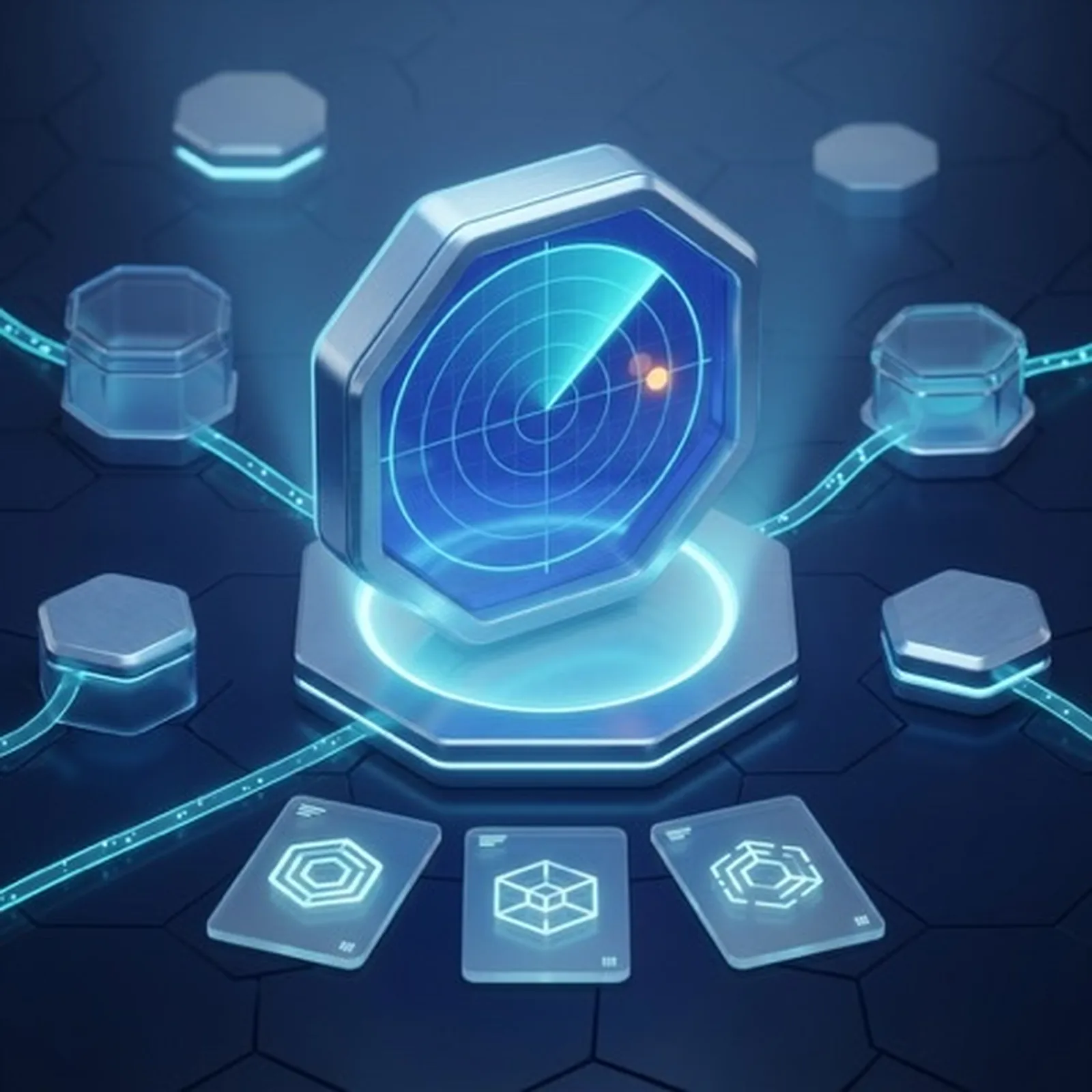
Schema change detection

Schemas change. Columns get renamed, tables get restructured, relationships shift. Most systems break silently. Axiom detects schema changes proactively and updates semantic mappings before your agents query stale definitions.
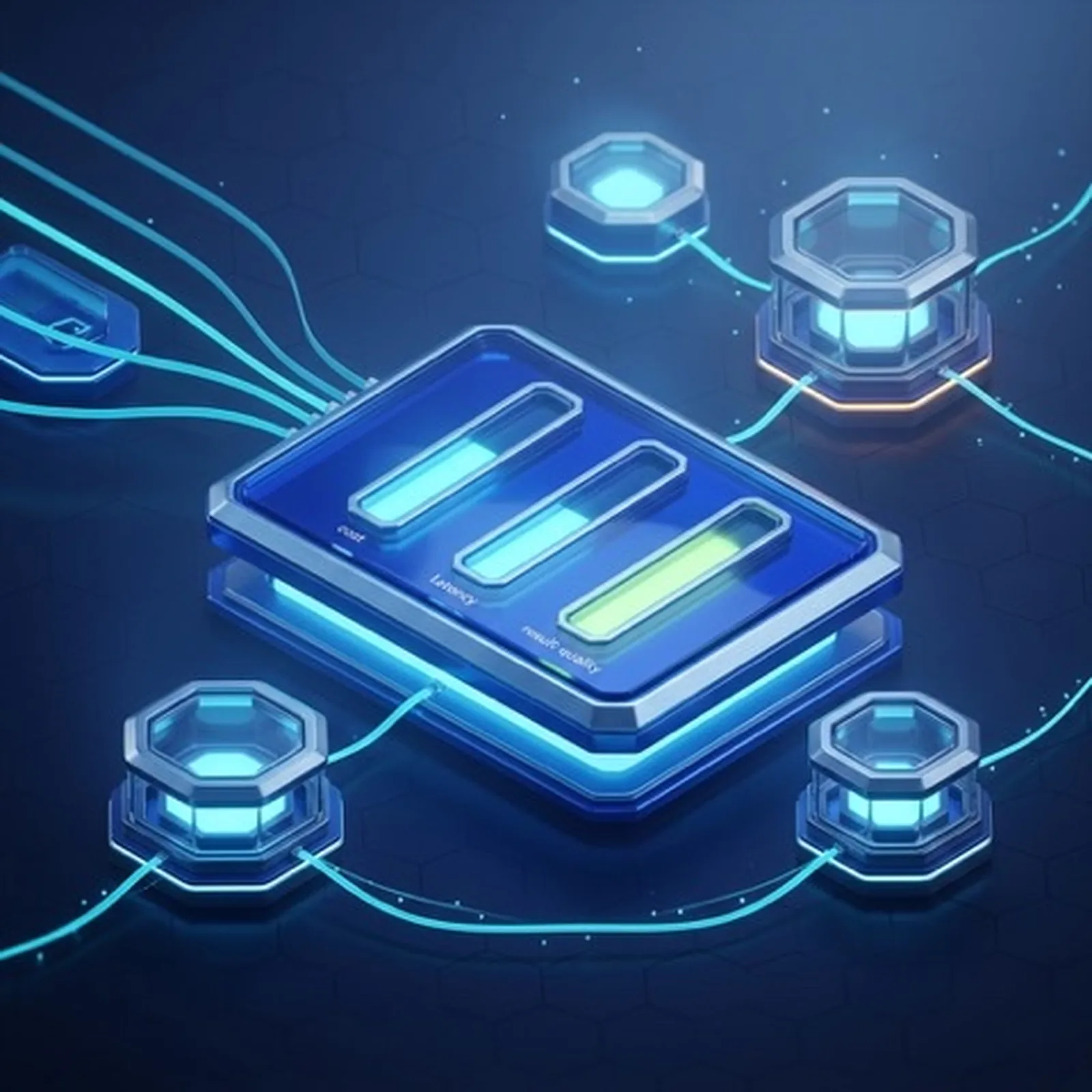
Query observability

You can see what every agent is asking, which definitions they're using, which data sources they're hitting, and whether the answers are consistent. When agents become autonomous, knowing what they're doing isn't optional.
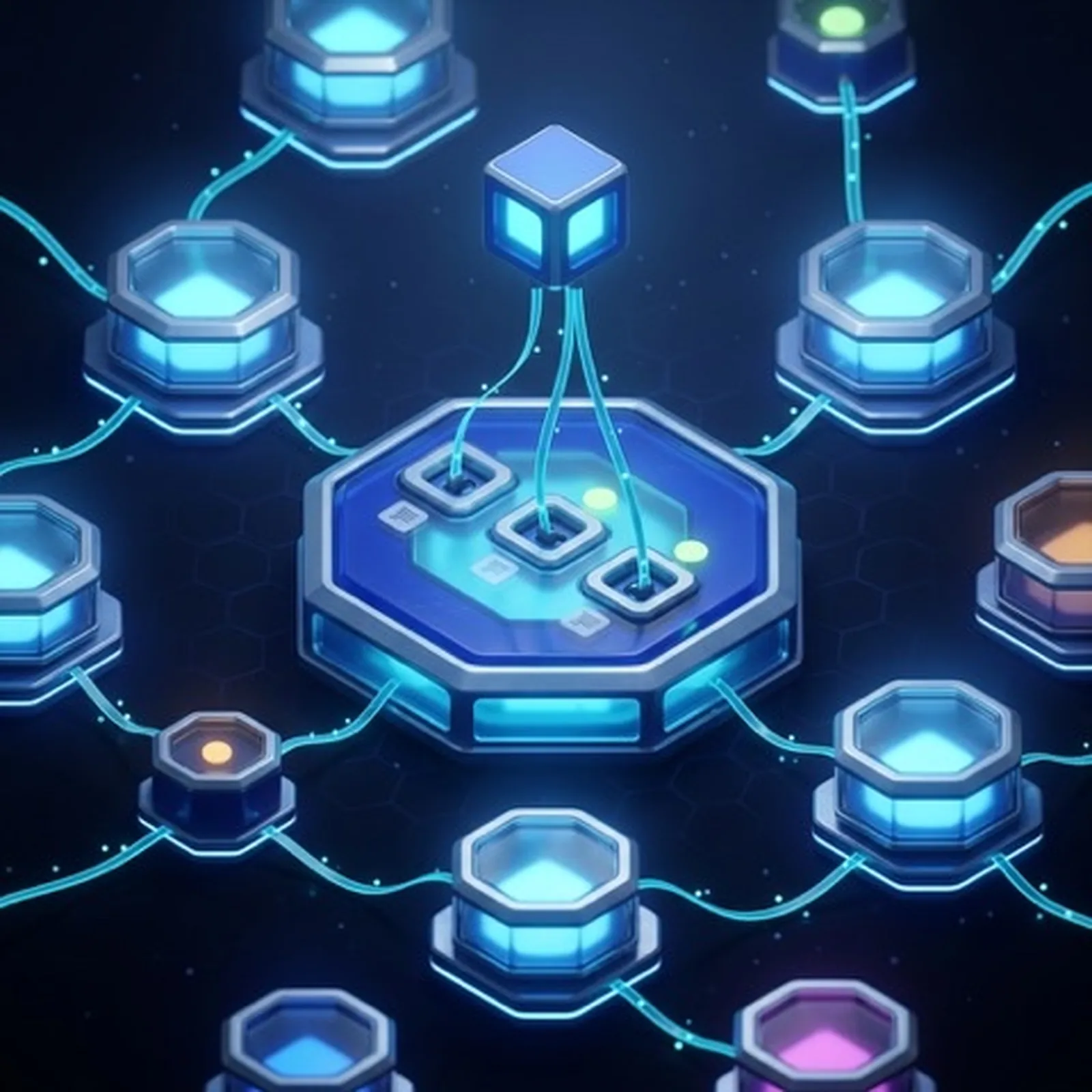
MCP endpoints as first-class interface

Not a wrapper around a REST API. Native MCP endpoints that serve semantic context to any MCP-compatible agent. Connect once, query governed data across every source system.
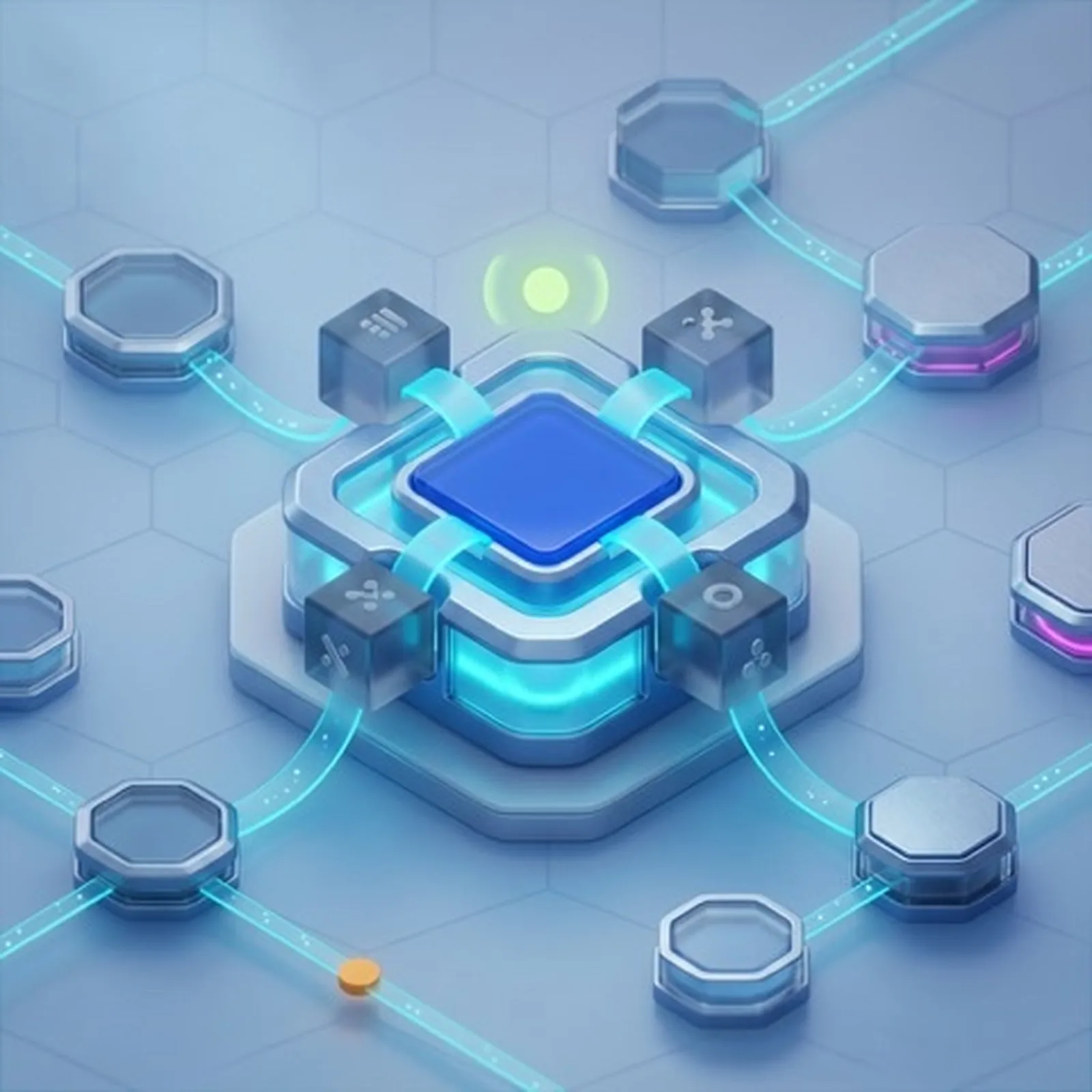
Entity resolution across sources

Customer in CRM, account in billing, counterparty in finance. Axiom resolves them to a single entity with source-specific attributes preserved.
Metric governance

One definition of revenue. One definition of churn. One definition of active user. Enforced at query time, not in documentation nobody reads.

Lineage and audit trail

Every answer traces back to its source data, through the semantic definition, through the governance policy. For compliance, for debugging, for trust.

AgentCore reasons. DataZone grounds. Quick presents. S3 Tables and S3 Files carry the data. Your team owns all of it.

AWS builds the infrastructure. Axiom is the modular, serverless architecture that turns those services into a centralized semantic engine for agentic AI.

Every component runs in your AWS account, every config is yours to modify, and the operational overhead lands in services you already pay for.

Bedrock AgentCore
Runtime + Gateway + Identity

The reasoning engine. AgentCore Runtime executes inside Firecracker microVMs (the same isolation used by Lambda). AgentCore Gateway routes requests through the semantic layer. AgentCore Identity brokers IAM and OAuth 2.0 for outbound authorization. AgentCore Observability streams Compass and CloudWatch telemetry to the AG-UI dashboard with zero overhead.

Amazon DataZone
Business Glossary + Data Taxonomies

The source of meaning. Business terms map deterministically to physical schemas and join keys. The DataZone API gets cached as a parquet file in S3 (mounted on microVM wake-up), with EventBridge refreshing the cache on catalog change. Built for scale without hammering the control plane.

Amazon Quick + MCP
Presentation Layer, Natively Grounded

Axiom exposes its semantic engine to Amazon Quick over MCP. Quick stays the BI tool your team already knows; Axiom turns it into a deterministic, enterprise-verified interface. The AG-UI protocol streams the agent's reasoning live so users see why the answer is right, not just what.

S3 Tables + S3 Files
Lakehouse Without the Movement

Apache Iceberg tables via Amazon S3 Tables for managed lakehouse analytics. S3 Files mounted directly inside AgentCore microVMs for raw parquet access via standard file paths. DuckDB pushes predicates to cloud storage; Polars zero-copies via Apache Arrow for advanced logic. Native processing speed on raw data with no staging.

AWS Glue + Aurora/RDS/Redshift
Schema Registry + Federated Compute

Glue keeps schema versioning current so semantic definitions never go stale. For relational stores, Axiom pushes compute down to Aurora, RDS, Redshift, EC2 databases, or on-prem read replicas. The native database engine runs the query. Axiom routes, scopes, and authorizes.

Amazon Cognito + OAuth
Inbound Caller Authentication

Cognito or any standard enterprise OAuth provider validates every inbound request before AgentCore touches a byte of data. Paired with AgentCore Identity outbound, you get zero-trust at both the application layer and the data layer.

Your team owns all of it. Every service runs in your AWS account. Every config is yours to modify.

Six deliverables. No ongoing dependency.

Here's what your team owns after a Axiom deployment. Not what we manage for you. What you run independently.

Semantic model

Entity definitions, metric logic, relationship maps for 2-3 priority data domains. The single source of truth your agents query.

Kinetic routing layer

Connection configs, schema registry, and version tracking across your source systems. Your data stays where it is.

Dynamic policy engine

Query policies, access governance, cost controls configured for your agent ecosystem.

MCP endpoints

Production-ready endpoints your agents connect to immediately. Standard protocol, governed access.

Query observability dashboard

Visibility into what your agents are querying, what definitions they're using, and whether answers are consistent.

Schema change detection

Proactive monitoring of source schema changes with automated semantic model updates.

Timeline: 6-8 weeks. Scoped to 2-3 data domains. Not a transformation program. A bounded deployment that proves the architecture works on your data before you expand.

After handover, your team runs it. We're available for expansion to additional domains, but you're not dependent on us for the system to function.

If your AI agents query three or more data sources, and your teams are still arguing about what "revenue" means, this is built for you.

Right fit

Your enterprise runs on AWS (or is mid-migration)

You have AI agents querying operational data across 3+ source systems

Your teams disagree on metric definitions (revenue, churn, active users)

You've seen AI demos work on clean data and fail on your actual schemas

You need governed agent access, not another dashboard tool

Probably not
×

You have one data source and no cross-system complexity

×

You're looking for a BI platform or a replacement for your warehouse

×

Your AI initiative is still in strategy phase with no agents deployed

×

You need a data migration before your data is queryable at all

We'd rather tell you this page isn't for you than waste your time on a solution that doesn't match your problem.

The model doesn't matter.
The meaning layer does.
That's the next decade of enterprise AI.

NHS Wales had a public-health dataset spread across multiple systems. Policy makers were waiting days for answers. We built the cloud-native semantic platform in two weeks. Answers now land in two minutes, with 90% better data accuracy and HIPAA-grade lineage on every query.

Gartner now classes semantic layers as critical infrastructure for agentic analytics in 2026. By 2028, the analyst expects 60% of projects without one to fail. The model is commodity. The data is the given. The semantic layer is what makes the answers trustworthy.

What customers say

When the engagement ends,
what's left in your AWS account is what counts.

JR
Jason Rackear
AWS Sr. Account Manager · the identity platform

Armakuni has been supporting the identity platform for the past 6 months and has exceeded all expectations. Charles loops me into the conversation right away. Armakuni is part of the One Team.

Identity verification · Six months of trusted delivery
EL
Engineering Leadership
Award-winning LMS provider for enterprises and mid-size organizations · Edtech

The Armakuni team demonstrated an impressive ability to earn customer trust and deliver against lofty expectations with the C-Suite. Ruben and team maintained consistent communication and delivery.

Modernization · Lifted onto AWS, owned by the customer
MS
Matt Suckel
Sr. Manager Application Integration · One of the largest cinema networks in the U.S.

Kudos to Armakuni for demonstrating the speed, precision, and partnership needed to turn a high-speed challenge into a success story.

Application integration · Speed under real pressure
TL
Technical Leadership
A Chicago-area media archive and licensing company · Media

Armakuni helped MPI build agentic AI capabilities that work inside our content pipeline. The orchestration layer sits in our AWS account, governed by our IAM, audited by our team. We own every piece of it.

Agentic AI · Owned, not rented
DT
Director of Technology
NHS Wales · Healthcare

NHS Wales needed data access measured in minutes, not days. Armakuni built the platform and transferred every piece of knowledge to our team. When they left, we ran everything.

Data platform · Full handover, no lock-in
EL
Engineering Lead
Santander · BFSI

The transformation at Santander wasn't about new tools. It was about engineering discipline that stuck after the engagement ended. 400 engineers, 40% faster time-to-market.

Engineering discipline · AK Way at scale
TD
Technology Director
Comic Relief · Public

When Comic Relief needed a payments platform for Red Nose Day that could not fail on live television, four Armakuni engineers built it. 500 transactions per second. Zero downtime.

High-stakes systems · Zero downtime delivery
Recent Results

Customers shipping in production with Armakuni.

More customer stories
Start with the workshop. Half a day. Your data. Your team. A draft entity model for one real domain.

The Axiom Workshop is how you find out whether this is the right approach for your data. Not a sales pitch. Not a maturity assessment. A working session with engineers who've built semantic layers on AWS.

Score your own data domains against our readiness criteria
Build a draft entity model for one real domain
See how Axiom resolves queries across your source systems
Leave knowing whether the full build is the right next step

Walk away with a draft entity model either way.

AWS Premier Tier Services Partner

Data Analytics Consulting Competency
Aws Glue Delivery
Aws Lambda Delivery
Amazon Rds Delivery
Amazon Opensearch Service Deliver

Active Competencies and Service Delivery Programs relevant to this offering.