In product engineering, tension isn't something to avoid, it's something to understand. If you've ever felt pulled between a stakeholder's request, a user or team need, and what's technically or financially feasible, you've stood at the centre of what I've come to call the Triangle of Tension. At Armakuni, we've spent years working with teams observing these patterns of tension that arise, noticing the signals for instance as delivery slows, teams get blocked, or communication breaks down.
I've spent over 15 years working in product, across many sectors, from charities to fintech, this same triangle has shown up. I've devised this model as a way to get a birds eye look at what influences these breakdowns and give us a structured way to navigate the tension, and ask: "Where is this tension coming from?", and even more crucially, "How can we move forward together?".
#What is the Triangle of Tension?
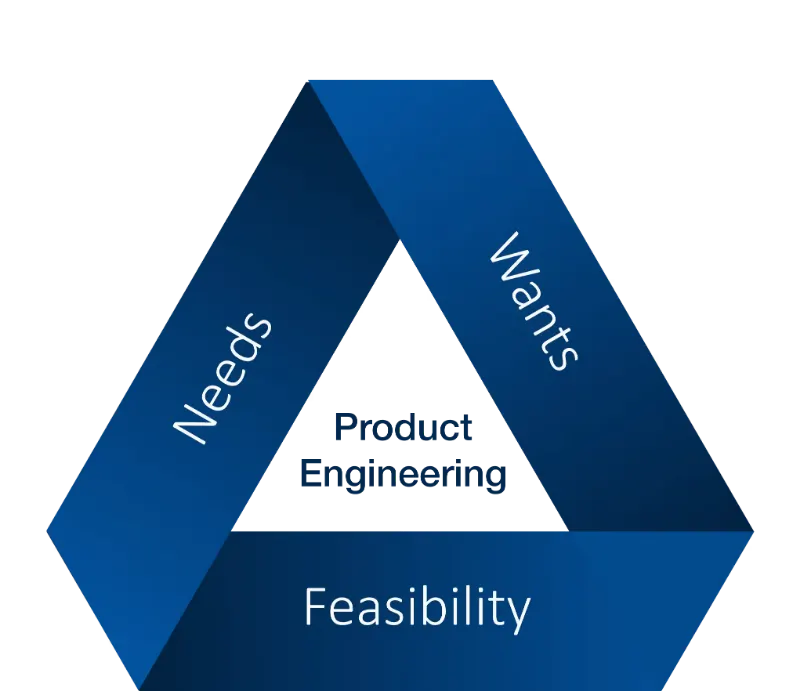
At its simplest, the Triangle of Tension is a way to visualise three forces that often pull us in different directions:
- Wants: Often from stakeholders. Subjective, sometimes unspoken, and not always aligned with strategy.
- Needs: Typically from users or delivery teams. Evidence-based, validated, and tied to outcomes.
- Feasibility: Time, budget, skills, technology, dependencies. The realm of trade-offs and negotiation.
Where these three intersect, tension lives.
Sometimes it's creative and generative; pushing us to make better decisions. Sometimes, it's confusing and misaligned. But there's one thing we can count on: tension is always human. It lives in relationships, expectations, and the stories we tell ourselves and each other. That's why I feel the answer has to be human too, addressing the root cause of dysfunction across organisations, and enabling collective success and value, by improving how we interact.
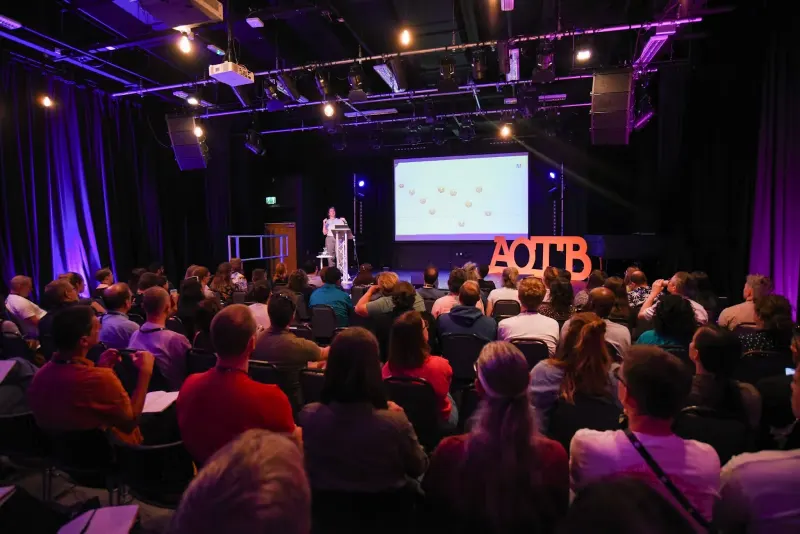
I recently spoke about this at Agile on the Beach, in Cornwall, to a packed out audience of product and tech practitioners and leaders from across the world. Here are the core insights from my talk:
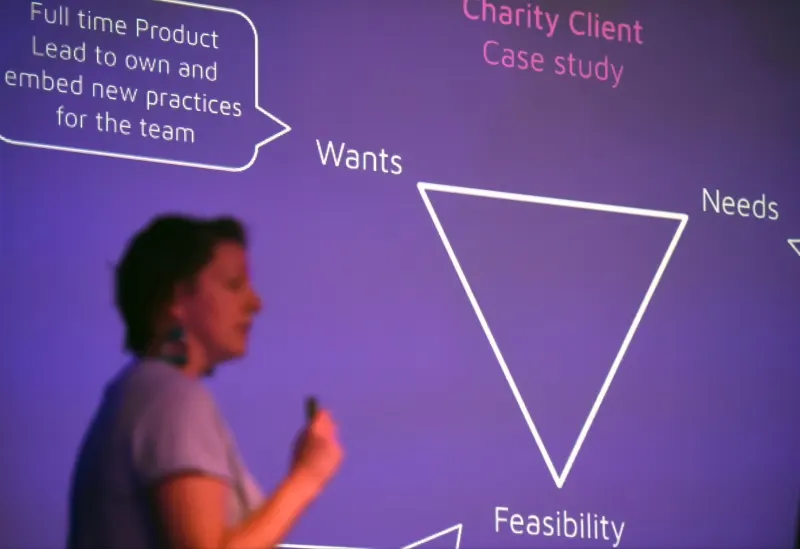
#A real-world case study: Unspoken wants
Recently, I supported a charity to establish product capability. We'd co-created goals, defined our ways of working, and we felt aligned.
And yet... I sensed something wasn't quite right.
A few weeks in, self-doubt crept in. Was I adding value? Had I misunderstood the brief? Despite regular check-ins and retrospectives, the tension persisted.
First, I named it. Then, I inspected each stakeholders individual goals, relating them to the agreed goals for our work together, and lining them up with the current reality of our engagement. Then came the moment of clarity: the client quietly admitted they'd really hoped to hire a full-time product lead.
This was a Want that hadn't been named, and it was one that clashed with both the Need (to upskill the team) and the Feasibility (they had no funding or business case for a full-time hire). The moment that Want surfaced, we could finally realign our expectations, and adjust our approach. The tension eased, clarity returned, and positive outcomes immediately became more achievable.
Why navigating tension matters
Tension is inevitable. But whether it's productive or paralysing depends on how we respond to it.
When we lean in with curiosity, tension helps us:
- Improve alignment
- Uncover assumptions early
- Build trust and psychological safety
- Make better decisions, faster
When we ignore it, tension festers:
- Leading to miscommunication
- Unclear priorities
- Mistrust
- Slower delivery
#Practical tools: Human skills
Tension doesn't resolve through process alone, it takes people being intentional about the right things. Here's how we coach teams to navigate tension at Armakuni, and what we've seen work with our clients over the years:
1. Be proactive
Ask the hard questions early. Challenge assumptions. Don't wait for clarity to arrive; co-create it.
- Map your stakeholders and create an engagement plan
- Align on goals and ways of working at the outset
- Use research and discovery to ground decisions in evidence
2. Build clarity continuously
Uncover hidden motivations using tools like stakeholder mapping, the "5 Whys," and regular alignment habits. Clarity isn't a one-off, it's ongoing and there are countless tools out there to help structure the conversation.
- Pause work temporarily to coalesce around a problem when needed (à la Andon Cord)
- Use methods like the 5 Whys to surface true drivers and blockers
3. Stay attuned
Build compassion towards others, through regular, open communication and genuine curiosity when issues arise. Notice tone, emotion, and body language. Extend patience. If someone's frustrated, it may come from fear or misalignment. Compassion doesn't mean saying yes, it means staying open.
- Use coaching techniques to build trust and surface blockers
- Trust isn't built through deliverables; it's built through shared vulnerability, consistency, and intent
- As Nicola Osinaike put it at our recent Triangle of Tension Panel Discussion: "Influence is earned through trust."
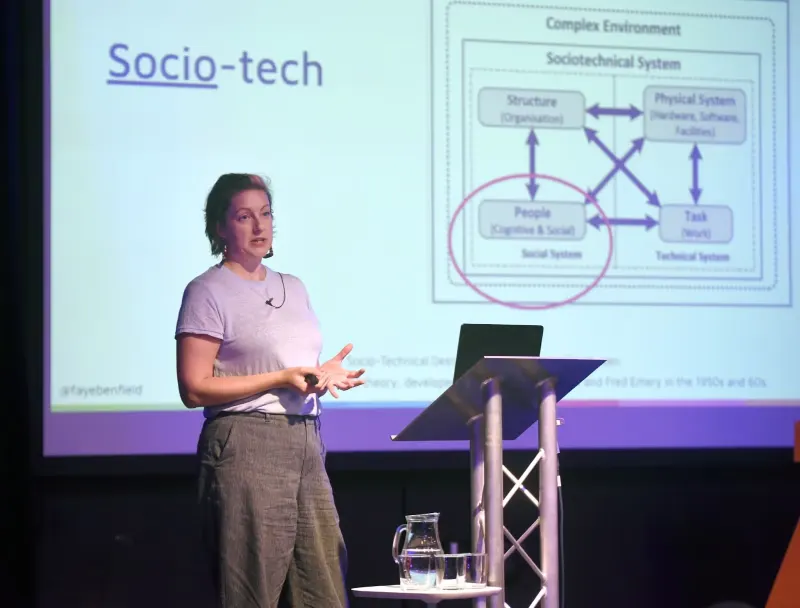
These three behaviours sit atop a deep foundation of human skills: active listening, facilitation, emotional intelligence, resilience, conflict resolution, and self-awareness. They're not soft skills. They're the hard edge of leadership.
#Practical resources
To help navigate the triangle, we recommend:
- 5 Whys template
- Stakeholder Mapping
- How to write Weeknotes
- The Five Dysfunctions of a Team, Patrick Lencioni
#Product wisdom from the field
Here are some battle-tested insights from real teams and leaders:
- Shift collaboration left - get product, UX and engineering solving together early
- Team behaviour > team structure: Team Topologies alone won't fix dysfunction; it's about how people work together, with a common language and intention
- Pair the shiny with the plumbing: celebrate the visible wins and the essential, messy backend work. Both should be recognised and rewarded
- Celebrate failures: psychological safety grows when teams are enabled to learn in the open
So…
Every team is managing tension, it's not a matter of if, but how. By understanding the Triangle of Tension, we can move from reactive firefighting to strategic navigation. Every product leader learns, often the hard way, that delivery is not just about tools or process: it's about people.
By learning to spot misalignment between Wants, Needs and Feasibility, and developing the human skills to navigate it, we unlock faster delivery, stronger relationships, and better outcomes.
So the next time your gut says, "Something feels off…", don't ignore it.
You might have just stepped into the triangle.
Want help navigating your own tension triangle?
📧 Drop us a line at hello@armakuni.com or connect with Faye Benfield on LinkedIn.